
Protean.ai – Headless CMS Platform with Next.js & Strapi
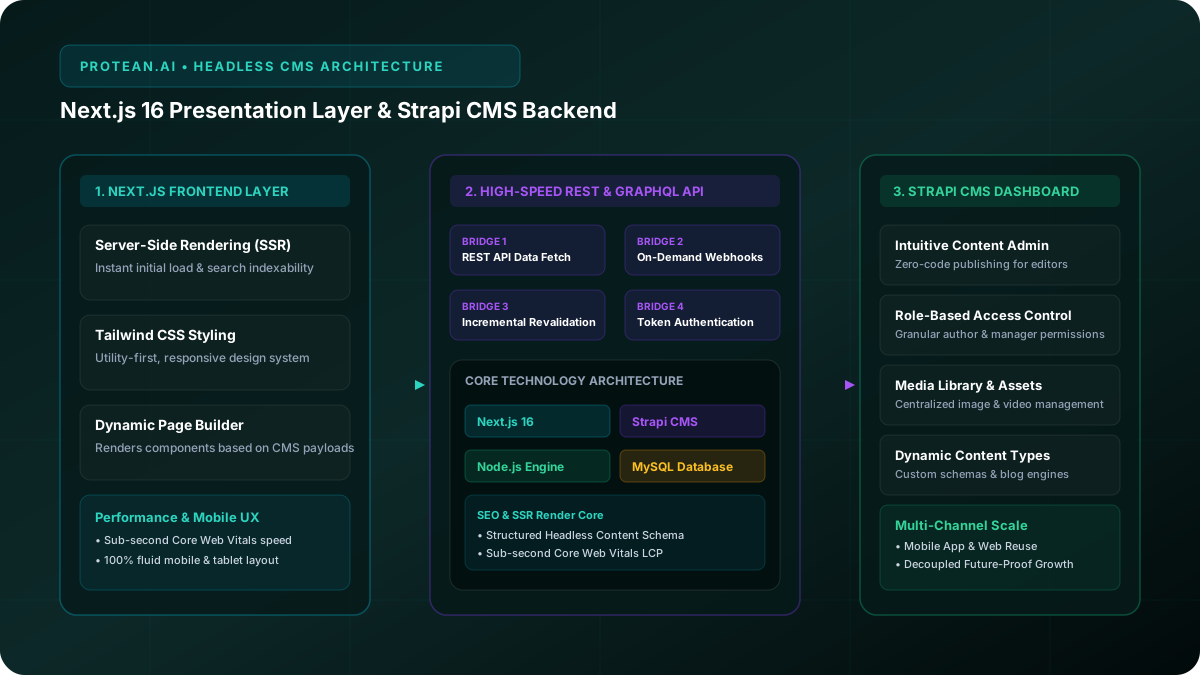
Decoupled enterprise web architecture combining a high-performance Next.js 16 frontend presentation layer with a Strapi Headless CMS backend for total content autonomy.
- Next.js 16 Frontend
- Strapi CMS Admin
- Dynamic Page Builder
- REST API Bridge
The Operational Challenge & Solution
Traditional monolithic CMS platforms constrain design flexibility, introduce performance latency, and bind developers to outdated themes.
Limitations of Monolithic CMS Systems
Protean.ai needed a web platform combining custom frontend speed with an easy-to-use content management dashboard for non-technical teams.
- ⚠️Traditional CMS platforms created page load latency and restricted frontend design choices.
- ⚠️Content updates required developer involvement for minor layout adjustments.
- ⚠️Inability to reuse content seamlessly across mobile apps or future digital channels.
Decoupled Next.js + Strapi Headless Platform
We engineered a modern headless CMS architecture where Next.js serves the frontend presentation and Strapi manages all business content via REST APIs.
- ✅Complete separation of content repository from Next.js server-rendered presentation layer.
- ✅Intuitive Strapi dashboard giving content editors 100% publishing autonomy.
- ✅Sub-second page speeds, high Core Web Vitals scores, & robust SEO search visibility.
12 Headless CMS Platform Modules
Designed to deliver speed for visitors and effortless content control for administrative teams.
Next.js Presentation Layer
Ultra-fast frontend UI rendering content from Strapi via Server-Side Rendering (SSR) and SSG.
Strapi Headless CMS
Decoupled administrative backend allowing non-technical teams to manage content independently.
Dynamic Page Management
Drag-and-drop page builder enabling content editors to assemble custom landing page layouts.
Blog & News Publishing
Rich-text blog engine with categories, tag taxonomy, author profiles, and scheduled publishing.
Content Publishing Workflow
Drafting, staging preview, review approvals, and instant production publishing triggers.
High-Speed API Integration
REST and GraphQL API endpoints delivering lightweight JSON payloads to the Next.js frontend.
Responsive Design System
Mobile-first Tailwind CSS styling providing fluid viewing across smartphones, tablets, and desktops.
Search Engine Optimization
Server-side rendering, dynamic XML sitemaps, structured schema markup, and metadata controls.
Performance Optimization
Sub-second LCP execution, image optimization, edge caching, and minimal client JS overhead.
Role-Based Access Control
Granular permissions restricting content editing, publishing, or administrative access by role.
Secure Admin Dashboard
JWT-authenticated Strapi control panel with media asset library and audit logging.
Scalable Content Architecture
Centralized content repository capable of serving web apps, mobile apps, and third-party portals.
Engineered for Enterprise Flexibility
Explore the architectural principles behind Protean.ai's Next.js + Strapi headless platform.
Headless CMS Architecture
Unlike traditional monolithic CMS platforms where frontend and backend are tightly connected, Strapi manages content while Next.js handles user experience and presentation. This separation provides maximum design freedom, top-tier performance, and long-term maintainability.
Technology Stack
Chosen for high-performance execution, search engine dominance, content flexibility, and future-proof scaling.
User Interface
- Next.js Framework
- React.js
- Tailwind CSS
- Responsive Design
Content Repository
- Strapi Headless CMS
- Node.js Runtime
- Role-Based Security
- Media Asset Management
Data & Communication
- MySQL Relational Database
- REST APIs & GraphQL
- Webhooks Revalidation
- Sub-second JSON Fetching
Key Capabilities
- Dynamic Content Management
- Responsive Design
- SEO & SSR Rendering
- Performance Optimization